Railroad Ties For Garden Beds - Safety Concerns And Alternatives
The question of the safe of railroad ties in garden beds has been raised many times. And so much so that the Environmental Protection Agency (EPA) has issued directives to ban their apply not just in gardens merely near residential areas in full general. Does that mean that railroad ties for your garden beds are no longer an option? And how would y'all become well-nigh creating blossom and veggie beds without them?
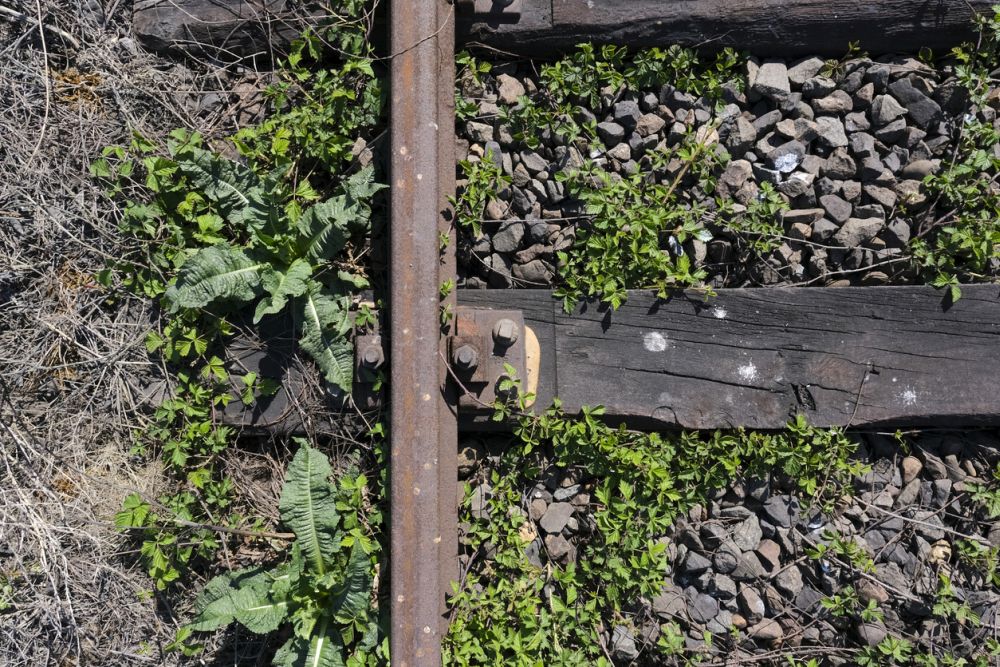
First, we need to understand the safety concerns with railroad ties. What makes them such an eminent threat in your veggie garden. What kind of toxics are there, and how long practise they stay in the garden? And so nosotros discuss other safer types of railroad ties you can use.
Dangers of Railroad Ties in Garden Beds
As you're well aware, the EPA doesn't throw about recommendations and prohibitions willy nilly. And when it comes to something as ubiquitous as railroad ties. At that place was a fourth dimension when every other garden had those indispensable yet uncomplicated tools propping up the veggie beds. Until the EPA stepped in and made them illegal. So what gives?
The problem with railroad ties is that they're often fabricated from treated wood. That type of wood has been used for railroad tracks since John Stevens, the father of American railroads, went into business organisation. Then why is it proficient for railroads but not skilful for your landscape? Two reasons, creosote and chromated copper arsenate or CCA for short. So what are these? And what practise they accept to do with railroad ties and your garden?
Creosote
Creosote is a chemical compound extracted from coal tar and other fossil fuel, where its antiseptic and preservative qualities make it ideal for treating wood. Since wood is the bedrock of railroads, the last matter the railroad engineers wanted was the wood planks eaten abroad by mites and other pests. So the woods gets processed where it becomes compact for immovability and treated to a generous dose of creosote.
Back in the twenty-four hours, creosote was widely used to care for wood in the same way asbestos was used as a fire-retardant material in buildings in the 19th century. You lot might also notice a build-up of creosote in your chimney or wood stove. Some woodstoves even have gauges to indicate the level of creosote buildup within the stove. So what makes this natural past-production of wood or coal-burning such a dangerous chemical element?
- Straight exposure to the chemical compounds could lead to serious peel burns.
- Inhaling causes lung irritation and could lead to serious respiratory complications.
- Information technology leads to eye irritation, excessive heart-watering and might crave medical attention in cases of long exposure to it.
- Ingesting the material could lead to liver and kidney issues.
- In some cases, information technology could lead to delirium and mental defoliation.
- Some people exposed to creosote displayed convulsions that warranted immediate medical help.
- Long exposure to the compound has led to death in severe cases, especially for people with pre-existing weather condition.
Chromated Copper Arsenate (CCA)
As if creosote in railroad ties was not enough to deter insects and give the woods ties durability, some other chemic chemical compound was added while processing the woods ties. That compound is chromated copper arsenate. As the name implies, the three main ingredients of this lethal compound are chrome, copper, and arsenic. Each one of those is more toxic than the i before information technology. Only since information technology's such a highly toxic compound, many timber manufacturers decided to ditch it in favor of creosote. Nosotros've already seen the damage creosote can practise to the human torso, and then you can imagine what fifty-fifty brief exposure to CCA can practise to yous.
Even the ash left after the burning of forest treated with CCA still contains high concentrations of arsenic that could be fatal to livestock or animals that inhale or ingest it.
How to Dispose of Railroad Ties Safely
Naturally, and considering the corporeality of danger that railroad ties pose to you, your family, and pets, you wouldn't want to have them anywhere near your belongings. But what if yous already have them installed in your garden bed, lining upwardly your edges or marker the borders of your property? Should you get rid of them? And if and so, how?
The first thing you should do is take the railroad ties out of your garden beds, lawn, or property. As long as they remain in the soil, they pose a wellness gamble to anybody who comes near to them. Moreover, the chemicals in the wood tend to leach into the soil in the presence of moisture which contaminates your garden and veggies.
Don't endeavour to saw it off since that would go out parts of the wood ties in the soil to spread their toxicity far and wide. Besides, the sawdust resulting from cutting the ties off is too dangerous to inhale.
Another thing yous should never do with the pile of railroad ties in your garden is burn them. The resulting ash contains enough creosote to poison a large animal. The ash could also find its way into the soil and remain at that place for lengthy periods of time.
The all-time mode to dispose of railroad ties is through a professional. Since this blazon of wood is illegal in many states, you should consult with the local authorities about the best ways to safely get rid of it.
Soil Contamination
We mentioned in passing how the railroad tiles leach their poisonous chemicals into the soil. But now that y'all have removed information technology safely from your garden, does that mean that your soil is 100 percent make clean and that you can start growing your tomato plant patch and cucumber right away? Non then fast.
Earlier yous consider growing any edible fruit copse or veggies in your garden, yous should have the soil tested offset. The tests would indicate how much contamination is however in the soil. Co-ordinate to the EPA guidelines, yous should never found anything in soil that had railroad ties planted in it before. So it seems there's no expiry date for the soil contagion.
Another selection is to replace the soil in your garden completely. That would require excavating about two feet of soil and filling it back with fresh soil. Only here over again, yous're faced with a dilemma. How far away from the center of contamination should excavate? Are three anxiety in all directions enough? Or should yous brand it five anxiety?
Co-ordinate to many experts, y'all shouldn't take whatever chances with the soil. That ways you lot should supervene upon the whole soil volume in your garden. This might sound similar an extreme mensurate, but because the culling, information technology actually seems like the wisest matter yous can exercise to save your garden and safeguard your household confronting the perils of toxic creosote.
Safer Alternatives to Railroad Ties
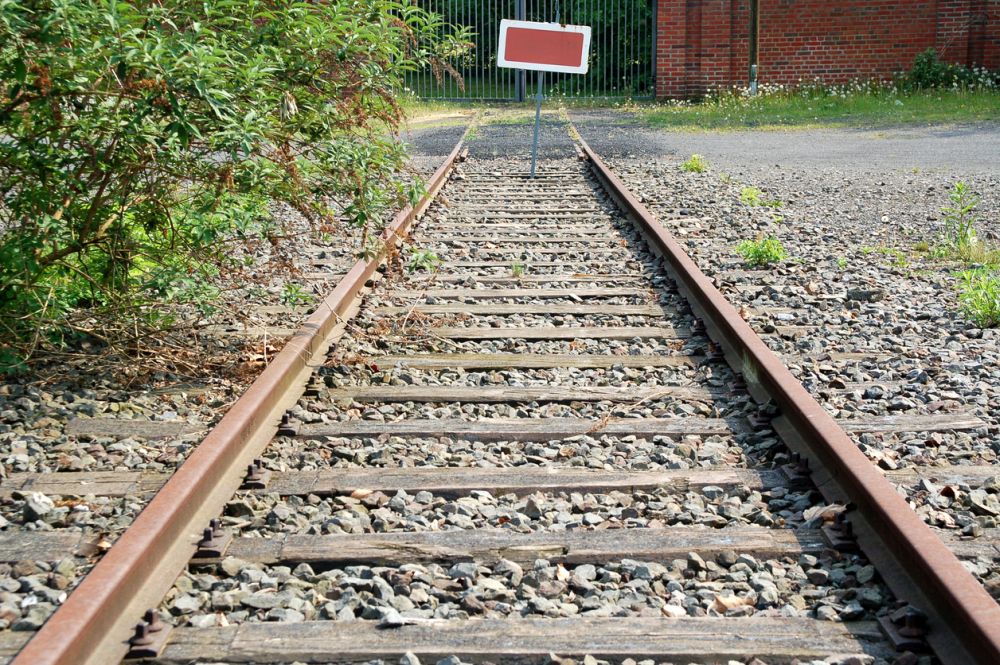
So if non railroad ties, what can yous apply instead to build your garden beds? Luckily at that place are many options you lot tin cull from, and none of them have the aforementioned toxicity as quondam railroad ties. Here we explore two pop options.
- Landscaping Block: What many homeowners and gardeners have forgotten is that y'all tin notwithstanding build your raised beds with regular stone blocks. They are inexpensive and widely available. Moreover, they come in dissimilar sizes, shapes, and colors to suit any landscaping concept you're aiming for. And since they're made of elements that occur in nature and pose no wellness risk to humans or animals, they're by far a safer option to old railroad ties.
- Befouled Beams: The principal attraction that sometime railroad ties offered to gardeners and developers alike were that they were cheap and set up for recycling. The same principle applies to one-time barn beams. They are fabricated of hardened wood just without the toxic chemicals that railroad ties are steeped in. The caveat here is that you should avert using barn beams covered in engine oil stains since they could exist a burn down hazard.
How to Apply Safe Railroad Ties in Gardens
Then you accept got your hands on some sometime befouled beams. You have tested them, and they are creosote- and CCA-free. They are perfect. They have a natural look that goes well with your rustic garden design. And so how will you employ them to build a garden bed or an edge? Hither's how to go about it in easy steps.
Garden Bed
- Plan your raised bed well using chalk and take the exact measurements of the perimeter.
- Make sure the soil is dry out effectually the perimeter, and dig a trench along the chalk line you have marked. The trench should not be deeper than vi inches.
- Cover the bottom of the trench with a 2-inch layer of gravel.
- Cut the ties to the exact height of the raised bed and drill holes in each tie about ii feet apart.
- Install the ties in the trench in rows above each other, making sure the holes in each necktie are aligned with those of the ones above and below them.
- Drive a steel bar into the holes of the ties and hammer it into the ground.
- Make full the bottom of the raised bed with a thick layer of gravel. Spread it around evenly.
- Fill the raised bed with soil up to two inches from the summit of the ties. Now your raised bed is ready for growing plants.
Edges
- Measure and mark the boundaries of your garden.
- Dig a trench around the garden about 4 inches deep. Make sure it'south level.
- Cut the railroad ties to the desired length using a saw.
- Lay the ties in the trench in a row, making sure there's no space between each tie end and the ane next to information technology.
- Lay the 2d row of ties starting from the opposite direction so that the spaces between the ties are not aligned with the layer beneath it.
- Proceed adding rows of ties and make sure they are level.
- Drill holes in the ties at each end of the edge and drive a long spike in them, and so hammer it into the ground.
- Fill the gaps betwixt the ties with the excess soil.
Make sure the wood ties are made from untreated wood. Cedar is an ideal candidate for building raised beds in your garden. It'south durable and has a high resistance to mites and the erosion of the elements.
Source: https://www.diys.com/railroad-ties-for-garden-beds/

Posting Komentar untuk "Railroad Ties For Garden Beds - Safety Concerns And Alternatives"